


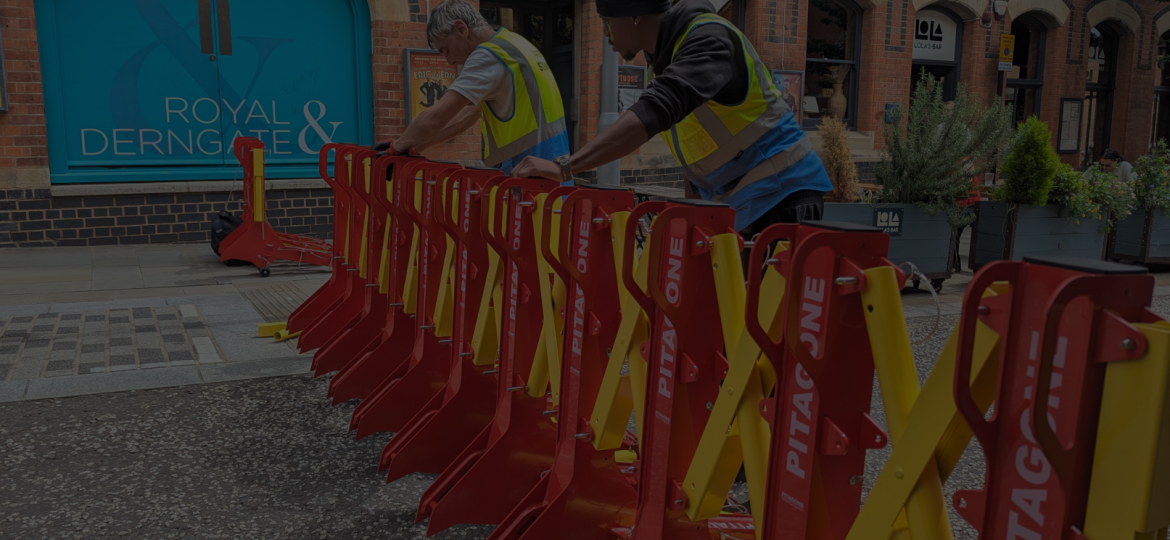
Town and city centres aren’t just places to shop anymore. Over the last decade they’ve evolved into places where people meet, spend time and experience their local community. High streets are now often hosting food festivals, artisan markets, live music, sporting celebrations and outdoor screenings. Public squares have become venues for cultural events, seasonal attractions and family activities that bring people together throughout the year.
It’s a positive shift. As councils continue to invest in creating vibrant, welcoming public spaces, town centres are becoming destinations rather than simply places to pass through. That evolution has also changed the way we think about protecting them.
A pedestrianised street that welcomes shoppers during the week might need to accommodate a farmers’ market on Saturday, a live performance the following weekend and a Christmas market a few months later. The same space is serving different purposes throughout the year, each bringing its own operational requirements, visitor numbers and level of risk.
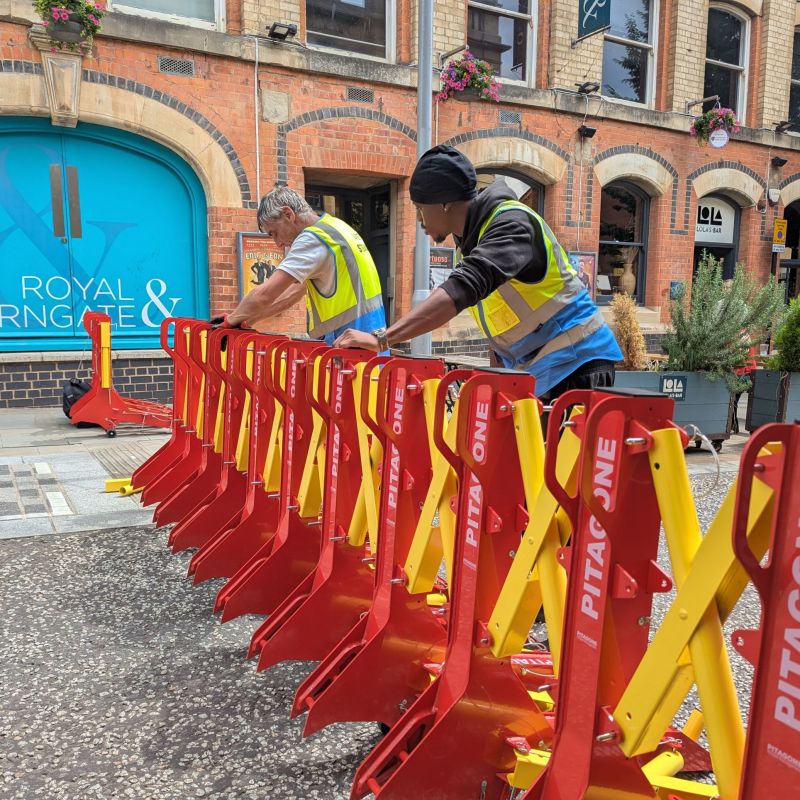
That’s one of the reasons conversations around hostile vehicle mitigation are changing. In the past, it was easy to think about HVM as something permanent. Install it once and the problem is solved. Today, many councils are managing spaces that need to adapt to different events, different visitor numbers and different operational requirements, often within the same location.
That doesn’t mean permanent HVM has become less important. In many environments it’s exactly the right solution. Busy transport hubs, government buildings and locations with a consistent risk profile will often benefit from permanent protection that’s always in place.
Equally, there are plenty of situations where a more flexible approach makes sense. Markets that operate once a week. Summer festivals in public parks. Fan zones. Outdoor concerts. Seasonal attractions, and town centre events that temporarily require road closures or the need to create new pedestrian only spaces. In these situations, installing permanent infrastructure isn’t always practical or necessary, but that doesn’t remove the need to think carefully about vehicle mitigation.
One thing we’ve learnt over the years is that the conversation is rarely about choosing between permanent or temporary HVM. It’s about understanding how a space is used and selecting the most proportionate approach for that environment.
Sometimes that might mean permanent protection. Sometimes it might mean a temporary deployment that can be installed when needed and removed once the event has finished. Increasingly, we’re also seeing locations where the two work together, creating a flexible approach that reflects the way modern public spaces operate.
The earlier those conversations happen, the more options are available to town managers.. Rather than asking where barriers should be placed, it’s often more useful to understand how people use the space, which routes need to remain open, what vehicle access is still required and how those requirements might change throughout the year. Those questions usually lead to much better decisions than focusing on products too early.
Planning tools are also helping to support that process. Solutions such as Protect-PA allow teams to map public spaces, assess potential vehicle approach routes and compare different deployment options before anything reaches site. That makes it easier to understand where protection is needed, how different solutions might work and whether a permanent, temporary or blended approach is the most appropriate.
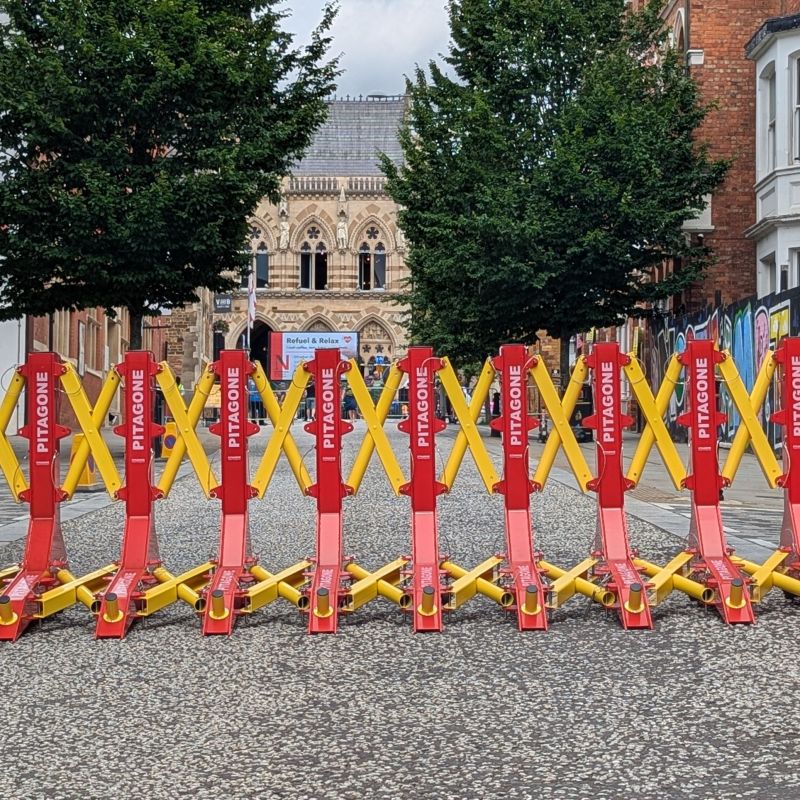
Protect Duty is encouraging organisations to think more carefully about protecting publicly accessible spaces, but perhaps the biggest shift is happening elsewhere. We’re seeing more conversations about proportionate protection, flexibility and planning ahead, rather than looking for a single solution that works everywhere.
For us, that’s a positive step.
Every town centre has its own character, its own challenges and its own way of operating. The most successful HVM strategies recognise that, helping create public spaces that remain safe, welcoming and adaptable throughout the year.
If you need help understanding how to best deploy HVM in your town or public space then drop us a line for a chat, we’d be happy to help.